Education
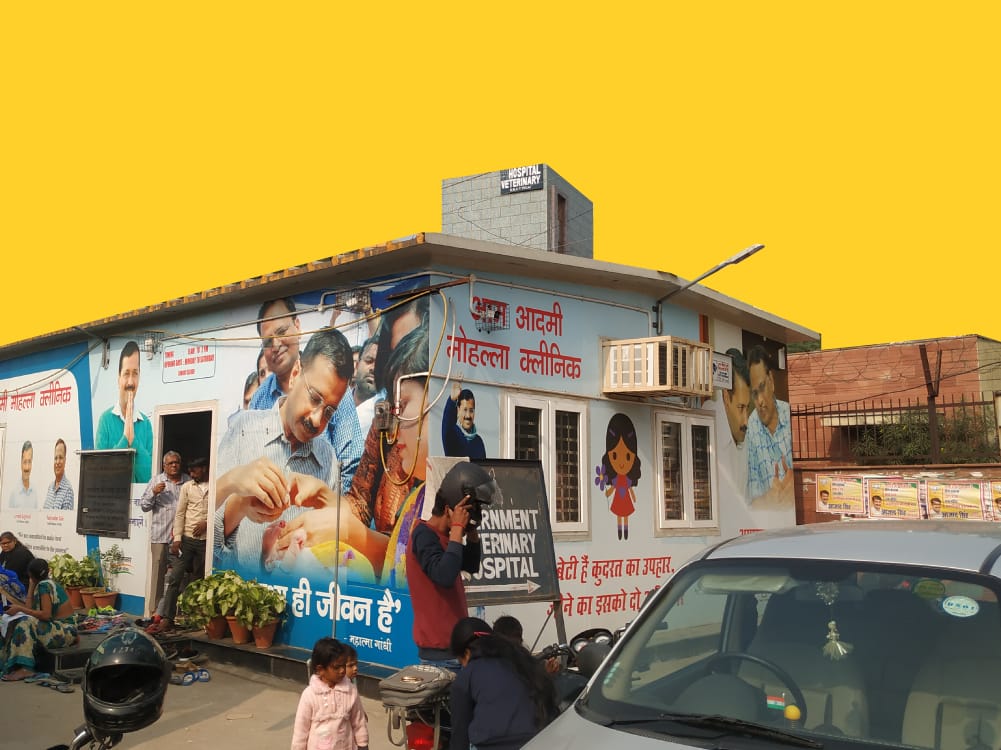
Impact Evaluation of Mohalla Clinics
Brief
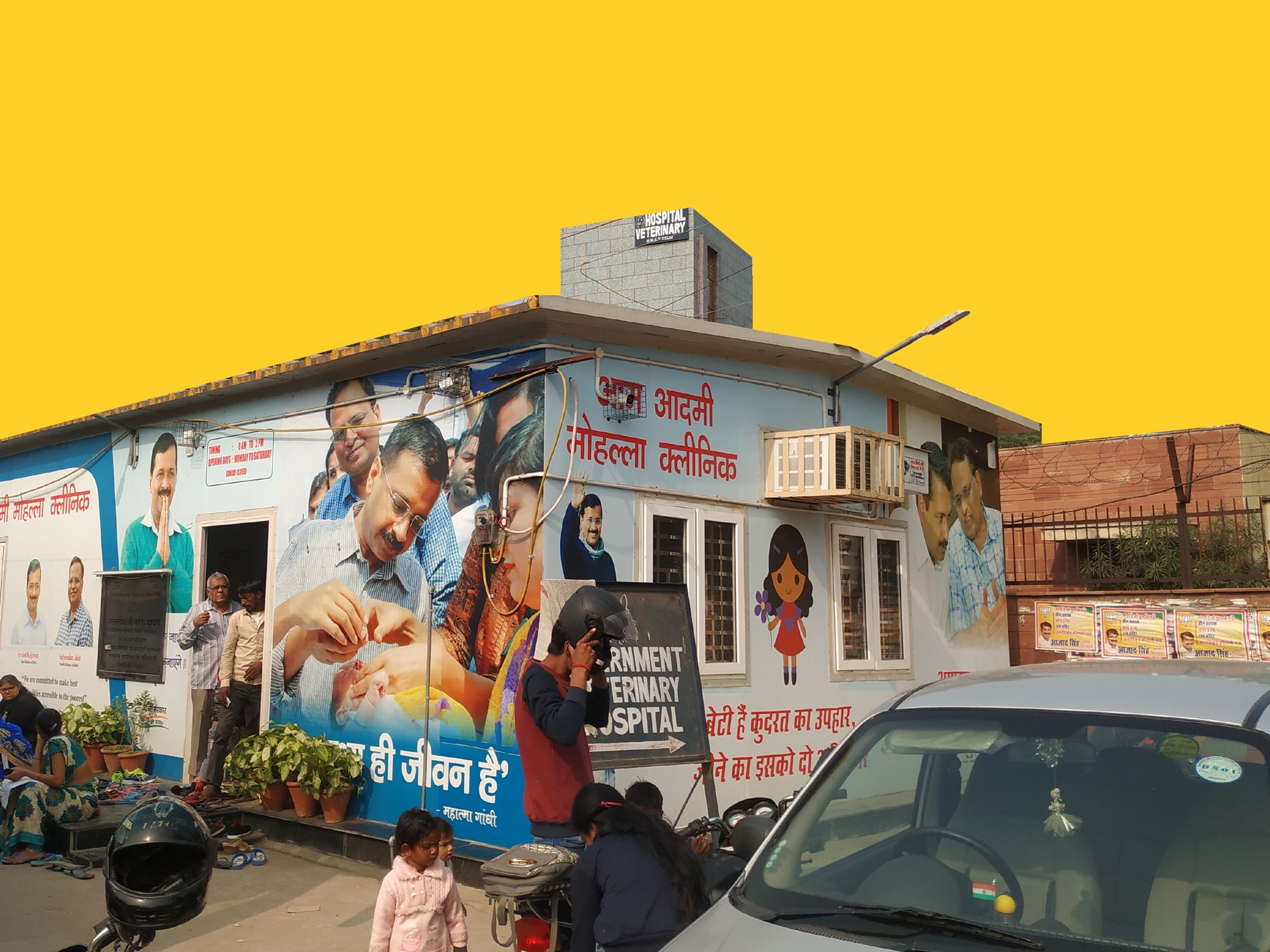
The project to analyze and evaluate the Mohalla Clinic and their potential to bridge a crucial gap in urban health services in India, especially for the poor, and explore the prospects of replicability in other big cities of the country.
Introduction
Soon after its launch the Mohalla Clinic, they the bone of political contention. Anecdotal evidence available through media reports suggest that the scheme has been serving its purpose. Few research articles have also dealt with the pros and cons of the MCs and their larger vision. An objective evaluation of this initiative has, however, been elusive. This leads to an associated risk of a citizen friendly initiative and a potential game changer with respect to urban primary health care, being mislaid by unsubstantiated assertions of competitive politics. thus to understand and evaluate the effectiveness of the Mohalla Clinic a qualitative and quantitative analysis was done of the service through this project
Deliverables
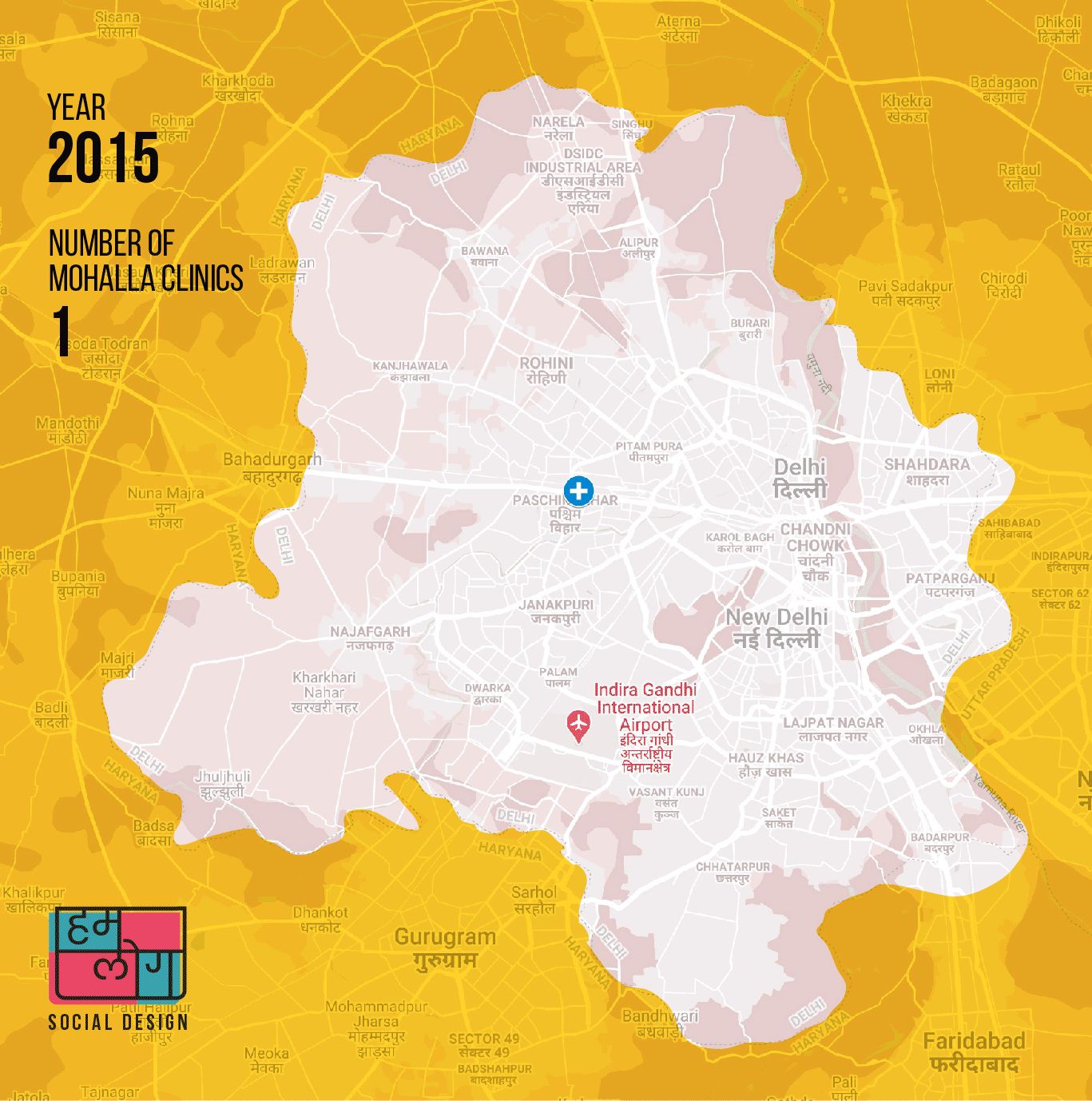
Mapping the location of all the Mohalla Clinics on to Delhi Map in relation to population density (District wise using Census data) The location of all 400-odd existing clinics as per govt. records, indication of the population density of the neighbourhoods the clinic serves will be represented on an interactive google map.
Journey/Experience Map of a person visiting mohalla clinic: This will be based on existing understanding from previous brief visits, Social Design, Semester 2 student’s work and newspaper reports.
A journey/experience map of a person (plus a family member or helper) will be presented, leaving home, visiting the clinic. Example a person having a consultation, getting medical tests done, collecting medicine and returning home.
Design Analysis of other community-based health services National and International competing models of Mohalla Clinic will be looked from a comparable contexts - such as Mobile health clinics, Basti dawakhana or other similar social and cultural settings which can offer a parallel.
Developing research protocols, survey tools for health officials, staff and beneficiaries, designing electronic data collection systems for primary data collection.